The 2026 F1 Season: Battery Management Ignites a New Era of Unpredictability
Formula 1 has always been a crucible of innovation, speed, and strategic genius. Yet, even by its own high standards, the upcoming 2026 season promises to rewrite the rulebook, ushering in an era where strategic brilliance and energy management will be paramount. At the heart of this transformation lies a radical overhaul of power unit regulations, specifically designed to make the 2026 F1 season an intensely
unpredictable F1 season. Young McLaren star Oscar Piastri has already highlighted battery management as the key driver of this impending shift, suggesting that viewers are in for a spectacle unlike anything seen before.
The essence of the change is a dramatic rebalancing of power, where the electric component of the hybrid system will play a far greater role. This isn't just a technical tweak; it's a fundamental shift that will redefine how drivers race, how teams strategize, and ultimately, who stands victorious. Forget predictable parades; get ready for a tactical chess match unfolding at blistering speeds, where every watt of energy could be the difference between glory and defeat.
A Deeper Dive into the 2026 F1 Regulations: Powering the Unknown
The 2026 F1 regulations are comprehensive, touching almost every aspect of the car to foster more exciting and sustainable racing. Key among these changes are:
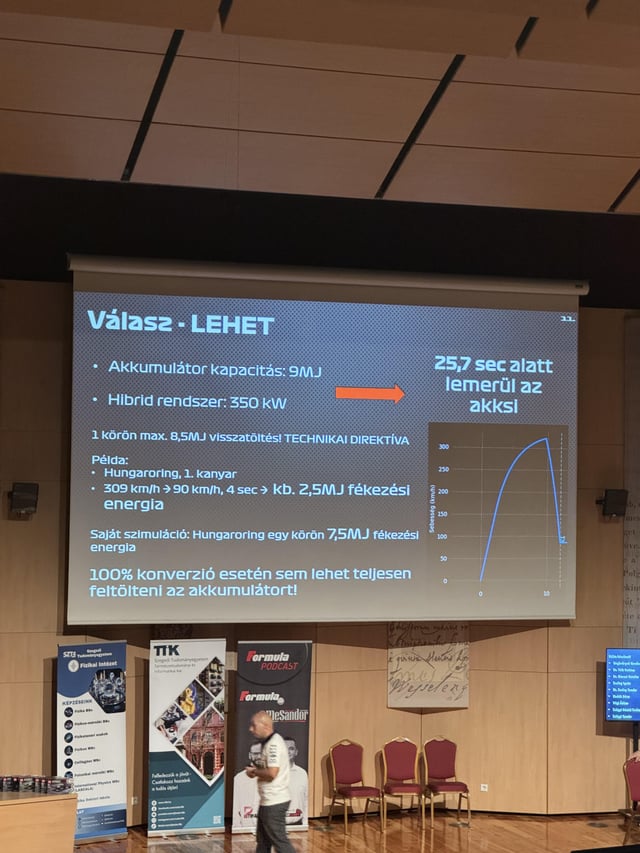
* **50/50 Power Split:** The internal combustion engine (ICE) will contribute roughly 350kW (470hp), while the electric power will deliver a significant 350kW (470hp) – a dramatic increase from the current regulations. This monumental shift makes battery management not just important, but absolutely critical.
* **Smaller and Lighter Cars:** The cars themselves will be shorter and narrower, aiming to reduce overall weight by approximately 30kg. This will enhance agility and potentially make the cars more challenging to drive at the limit, rewarding driver skill even further.
* **Active Aerodynamics:** DRS (Drag Reduction System) will be replaced by active aerodynamics, featuring movable front and rear wings. Drivers will be able to switch between a low-drag "X-mode" on straights for top speed and a high-downforce "Z-mode" through corners. This system is designed to facilitate overtaking and improve efficiency.
These elements combine to create a dynamic environment where success hinges not just on raw speed, but on intelligent energy deployment and aerodynamic optimization. The cumulative effect is expected to make the 2026 F1 season a genuinely
unpredictable tactical driver battles.
Battery Management: The New Art of Racing and Driving an F1 Unpredictable Season
With the electric power output effectively doubling and comprising half of the total available power, battery management transforms from a background engineering concern into a front-and-center driver skill. Previously, drivers primarily managed fuel and tires; now, energy regeneration and deployment will demand equal, if not greater, attention.
Oscar Piastri's insights are particularly illuminating here. He emphasizes that the hybrid element's increased prominence will necessitate a lot more management from the drivers themselves. Imagine a scenario where a driver must decide whether to aggressively deploy battery power to gain track position now, knowing it might leave them vulnerable later in the stint, or conserve energy for a more strategic move. This isn't a simple on/off switch; it’s a continuous, nuanced calculation across every lap.
The implications for race dynamics are profound:
* **Tactical Chess Matches:** We could see drivers deliberately "short-shifting" or lifting and coasting more frequently to regenerate energy, even during crucial parts of a race. This could create fascinating cat-and-mouse games, where one driver might sacrifice corner exit speed for a stronger straight-line burst later, or vice-versa.
* **Dynamic Overtaking Opportunities:** An overtaker might save energy throughout a sector, then unleash a full electric burst combined with active aero on a straight. Conversely, a defending driver might strategically deploy energy to hold a position, knowing they will need to recover it subsequently.
* **Mid-Stint Fluctuations:** Pace might not be as consistent over a stint as it is currently. Drivers who are masterful at managing their energy levels could suddenly find pace towards the end of a stint, catching out rivals who have over-deployed. This inherent variability will be a hallmark of an
unpredictable F1 season.
Active Aerodynamics and Lighter Cars: Amplifying Strategic Layers
While battery management is the headline act, the supporting cast of active aerodynamics and lighter cars will further amplify the strategic complexity and inject even more
unpredictable tactical driver battles.
The active aero system, replacing DRS, is more than just an overtaking aid. It’s an efficiency tool. Drivers will manage not only their power unit's energy but also the car's drag profile. This means:
* **Integrated Strategy:** The decision to enter "X-mode" for low drag will likely be tied to battery deployment. A driver might save energy in high-downforce "Z-mode" through twisty sections, then deploy it simultaneously with "X-mode" on a straight to maximize top speed and overtake.
* **Cornering vs. Straight-Line Speed:** Teams will have to find the optimal balance for each track. A setup that favors drag reduction might compromise cornering speed, but potentially allow for better energy management or higher top speeds.
* **New Overtaking Dynamics:** Instead of a simple DRS zone, active aero might allow for strategic overtakes anywhere on track where the conditions and energy levels align. This could lead to genuinely surprising moves and fewer "DRS trains."
Lighter and smaller cars will also have a tangible impact. They will be more agile, potentially less taxing on tires (depending on tire compounds), and more reactive to driver inputs. This could lead to closer racing in corners and a greater premium on precise, controlled driving, making every lap a test of skill and nerve.
The Human Element: Driver Skill and Team Strategy in an Unpredictable Landscape
The 2026 regulations will place an unprecedented emphasis on the driver's ability to adapt and think strategically in real-time. Drivers who excel at managing multiple parameters simultaneously – tire degradation, fuel load, and crucially, battery levels and active aero – will likely rise to the top.
* **Adaptability is Key:** We might see certain drivers, perhaps those with a background in endurance racing or those naturally adept at multi-tasking, thriving in this new environment. Their ability to make split-second decisions about energy deployment will be paramount.
* **Team Strategy Evolves:** The pit wall will become even more critical. Engineers will need advanced telemetry and predictive analytics to guide drivers on optimal energy usage, reacting to race situations, competitor strategies, and track conditions. The communication between driver and pit wall will be vital for success.
* **The Fan Experience:** For viewers, this is an exciting prospect. The races will be less about who has the fastest car outright and more about who drives the smartest race. The early part of the season, in particular, is tipped by experts like Oscar Piastri to be full of surprises as teams and drivers grapple with the new parameters. This learning curve will create inherent volatility and contribute to an incredibly
unpredictable F1 season.
Preparing for the Unforeseen: What to Expect from an F1 Unpredictable Season
As fans, how can we best appreciate the nuanced drama of the 2026 season?
1. **Watch the Energy Displays:** Pay close attention to on-screen graphics showing battery charge and deployment. This will be a real-time indicator of a driver's strategic decisions.
2. **Listen to Team Radio:** The conversations between drivers and engineers about "energy management," "regen," and "deployment" will offer crucial insights into the tactical battles unfolding.
3. **Observe Pace Fluctuations:** Don't just look at lap times; analyze how a driver's pace changes throughout a stint. A sudden burst of speed might indicate aggressive battery deployment, while a slight drop could signal conservation.
4. **Anticipate the Unexpected:** Embrace the chaos! The early races of the 2026 season are likely to be filled with surprising results, unexpected overtakes, and tactical gambles that pay off (or don't). This initial period will be fascinating as teams discover the optimal strategies.
The 2026 F1 regulations, with their bold focus on hybrid power and active aerodynamics, are poised to deliver a fresh, exhilarating chapter in motorsport. Battery management will undoubtedly be the driving force behind an
unpredictable tactical driver battles that promises thrilling, complex racing. Get ready for a season where every watt, every lift, and every deployment choice could dramatically alter the outcome, making the 2026 F1 season truly a spectacle to behold.