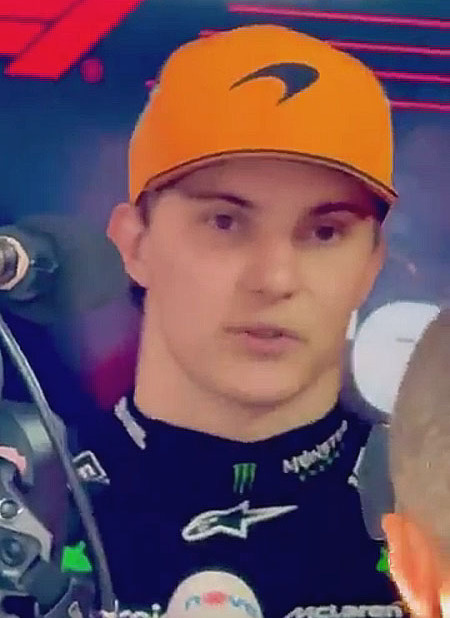
Oscar Piastri's Bold Prediction: An Unpredictable 2026 F1 Season Looms
The world of Formula 1 is constantly evolving, but the upcoming 2026 season promises a revolution unlike any seen in recent memory. McLaren prodigy Oscar Piastri has voiced a compelling prediction: the new regulations will usher in an incredibly F1 unpredictable season, particularly in its nascent stages. Far from a mere technical refresh, 2026 marks a fundamental shift in the sport's DNA, challenging drivers, engineers, and strategists in unprecedented ways. Piastri's insights point towards a future where tactical prowess, especially in energy management, will be as critical as raw speed, potentially creating a spectacle of uncertainty and thrilling competition for fans worldwide.
The Grand Overhaul: What Defines the 2026 F1 Regulations?
To understand why the 2026 season is poised to be an unpredictable tactical driver battles, we first need to dissect the core regulatory changes. The FIA and Formula 1 have charted a course towards a more sustainable, engaging, and competitive future, primarily driven by three pillars:
- A 50/50 Hybrid Power Split: The most significant change comes under the hood. The power units will transition to a near equal distribution between the internal combustion engine (ICE) and electric power. This means a substantial increase in electrical output compared to current regulations, demanding far greater emphasis on battery harvesting and deployment.
- Smaller, Lighter Cars: Reducing the overall size and weight of the cars is a direct response to concerns about the escalating bulk of modern F1 machinery. Lighter cars typically lead to more agile handling, better racing, and improved efficiency, though engineers will face a fresh challenge in packaging the new power units within these tighter constraints.
- Active Aerodynamics (Replacing DRS): The Drag Reduction System (DRS), a controversial yet often effective overtaking aid, is set to be replaced by dynamic, active aerodynamic elements. These systems will allow drivers to adjust wing angles on the fly, optimizing for either drag reduction on straights or downforce in corners. This introduces a new layer of driver skill and strategic decision-making that could radically alter race dynamics.
These changes aren't isolated; their combined effect creates a complex ecosystem where every component interacts. As Piastri highlighted, the new hybrid element is not just an upgrade but a complete re-evaluation of how power is utilized and managed during a race.
Battery Management: The New Chess Game for Drivers
Oscar Piastri's primary focus for the 2026 season's unpredictability centers on the vastly increased importance of battery management. While energy recovery and deployment have always been a factor in the hybrid era, the 50/50 power split elevates it to a whole new level. "I think the hybrid element and managing the battery level is going to be a really important thing," Piastri stated, acknowledging its past significance but stressing its amplified role from 2026 onwards.
Imagine a scenario where drivers aren't just pushing flat out, but constantly calculating. Every acceleration, every overtake, every defensive maneuver will involve a nuanced decision about battery usage. Do you deploy maximum electrical power to gain track position early, risking a depleted battery later in the stint? Or do you conserve power, hoping to unleash a surge in the closing laps? This isn't just about managing fuel; it's about a dynamic, real-time energy budget that fluctuates with track conditions, competitor positions, and strategic objectives.
This tactical layer promises to make the f1 unpredictable season truly come alive for viewers. We could see drivers with seemingly slower cars pulling off overtakes due to superior energy management, or front-runners struggling if they misjudge their deployment. It introduces an element of strategic depth that rewards not just raw speed, but also intelligence, foresight, and adaptability behind the wheel. The early races, in particular, will be a steep learning curve for everyone, leading to fascinating unpredictable tactical driver battles as teams and drivers experiment with optimal strategies.
Active Aero: A Driver's New Tactical Tool
The shift from DRS to active aerodynamics is another critical component contributing to the anticipated f1 unpredictable season. Instead of a simple flap opening, drivers will have dynamic control over their wing elements. This provides a constant trade-off between drag for speed on straights and downforce for grip in corners.
This isn't just an overtaking aid; it's a fundamental change to how cars interact with the air. Drivers will need to master new techniques, adjusting their aero settings multiple times per lap based on their position, the car's energy state, and the proximity of rivals. The optimal balance will be elusive, demanding incredible precision and quick thinking. This could lead to:
- More Varied Overtaking Zones: Active aero might enable overtakes in sections of the track previously deemed impossible, creating more thrilling action.
- Increased Driver Skill Differential: Drivers who can master the active aero system more effectively will gain a significant advantage, potentially leading to greater performance discrepancies initially.
- Strategic Depth: Teams might choose different aero mappings for qualifying versus the race, or even for different stints within a race, adding another layer of strategic intrigue.
The Early Season Chaos: A Learning Curve for All
Piastri specifically emphasized that the "beginning of the season, you could see some interesting scenarios." This is a recurring theme in Formula 1 whenever significant regulation changes occur. Teams and drivers need time to fully understand and optimize their new machinery. The 2026 season will amplify this learning curve due to the sheer magnitude of the changes:
- Power Unit Optimisation: Engine manufacturers will be pushed to their limits to create reliable, efficient, and powerful new hybrid units. Early season reliability issues or performance disparities are almost guaranteed.
- Chassis Integration: Designing a chassis around the new, smaller dimensions, integrating active aerodynamics, and managing the unique cooling requirements of the new power unit will be a monumental task. Some teams will undoubtedly get it right quicker than others.
- Driver Adaptation: The driving style required for 2026 cars will be different. Mastering aggressive battery management and dynamic aero controls will separate the adaptable from those who struggle.
This confluence of factors creates a fertile ground for an f1 unpredictable season. We could witness unexpected front-runners, surprising podiums, and a genuine shake-up of the traditional pecking order. The teams that can rapidly understand and exploit the nuances of the new regulations will gain a critical advantage, making the opening rounds a truly fascinating spectacle for fans.
Practical Insight: For teams, rapid data analysis and simulator development will be paramount in the lead-up to 2026. For drivers, endless hours in the simulator and a willingness to adapt their instincts will be crucial. The ability to give precise feedback to engineers on how the new systems feel and behave will be a significant differentiator.
Conclusion: An Entertaining, Unpredictable Future
Oscar Piastri's prediction of an f1 unpredictable season in 2026 isn't just a hypothesis; it's a near certainty given the profound regulatory shifts. From the intricate dance of battery management and the nuanced control of active aerodynamics to the inherent challenges of introducing smaller, lighter cars, every aspect points towards a thrilling, often chaotic, and endlessly engaging championship. As Piastri concluded, "I also have no idea how it's going to pan out, but I think it'll be entertaining one way or another." For Formula 1 fans, the prospect of a genuinely unpredictable season, where traditional hierarchies are challenged and driver skill in energy tactics takes center stage, is an enticing one. Get ready for a new era of Formula 1, where the only certainty is uncertainty, and every race promises a tactical battle that could redefine the very essence of grand prix racing.